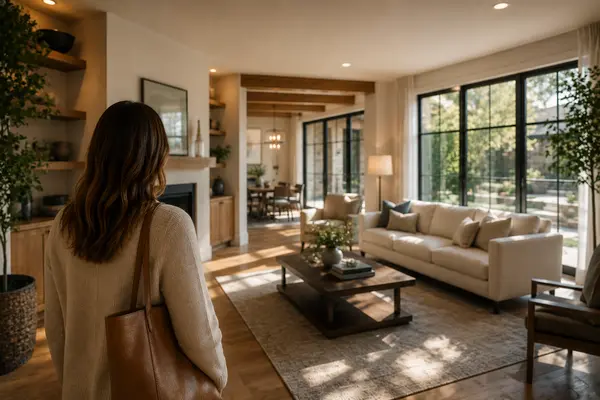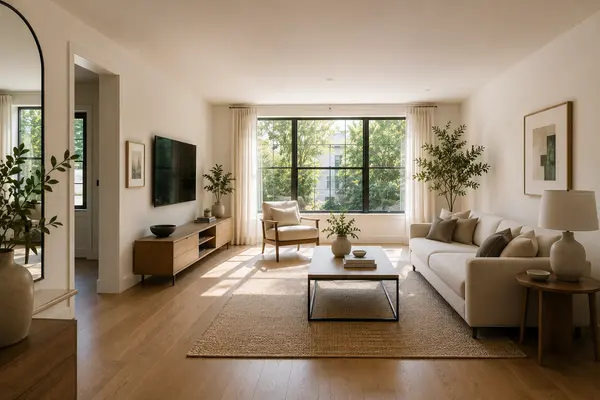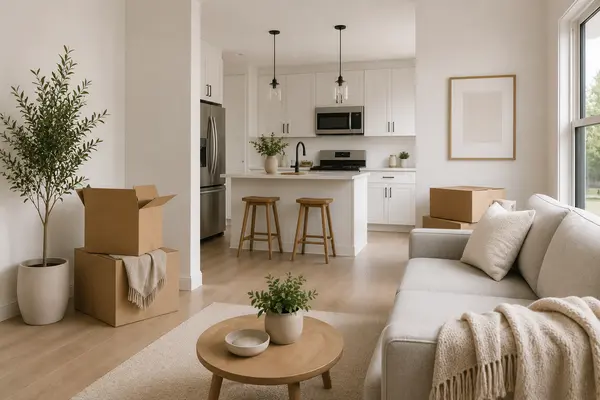
The Science Behind a Great Floor Plan
Why Layout Matters More Than You Think
When buyers first begin searching for a home, they often focus on numbers.
Three bedrooms.
Two bathrooms.
2,000 square feet.
A two-car garage.
These details are important, but they don't explain why some homes feel effortless to live in while others feel frustrating every single day.
The missing piece is the floor plan.
A great floor plan isn't simply about fitting rooms together.
It's about designing spaces around how people naturally move, interact, rest, and live.
Your Home Is a System
Architects don't think of homes as collections of rooms.
They think of them as connected systems.
Every hallway, doorway, window, and transition influences how comfortable daily life becomes.
When a floor plan is designed well, movement feels intuitive.
You don't notice it.
When it's designed poorly, you notice it every day.
Public vs. Private Spaces
One hallmark of a good floor plan is the separation between public and private areas.
Living rooms, kitchens, and dining areas are designed for activity and conversation.
Bedrooms and offices are meant for rest and focus.
Keeping these spaces separate reduces noise, increases privacy, and creates a more comfortable living environment.
This principle is especially important for families, remote workers, or anyone who regularly hosts guests.
Traffic Flow
One of the biggest design mistakes is forcing people to walk through one room just to reach another.
Imagine children crossing the living room every time they need the bathroom during movie night.
Or guests walking through a home office to reach the backyard.
These interruptions may seem minor during a showing, but they become daily frustrations after moving in.
A well-designed floor plan creates natural pathways that minimize unnecessary traffic.
Flexibility Matters
Modern life changes quickly.
A nursery becomes a study.
A guest room becomes a gym.
A dining room becomes a workspace.
The best homes aren't necessarily the largest.
They're the ones that can adapt as your needs evolve.
Flexible layouts often provide more long-term value than highly specialized spaces.
Daily Life Is the Real Test
Instead of asking whether a house has enough bedrooms, imagine living there from morning to night.
Where would you drink your coffee?
Where would backpacks end up after school?
Could someone work quietly while others watched TV?
Would cooking dinner feel connected to family time or isolated from it?
These questions reveal whether the layout supports your lifestyle—not just your checklist.
A Floor Plan You Rarely Notice Is Usually a Great One
The best floor plans aren't flashy.
They're comfortable.
They quietly improve everyday routines without demanding your attention.
Years after moving in, homeowners rarely say, "I'm glad I bought 200 extra square feet."
More often, they say, "This house just works."
And that's the true mark of thoughtful design.
Because in the end, you're not just buying rooms.
You're choosing how you'll experience every day inside them.
Categories
Recent Posts