What Happens to a House When Nobody Lives in It
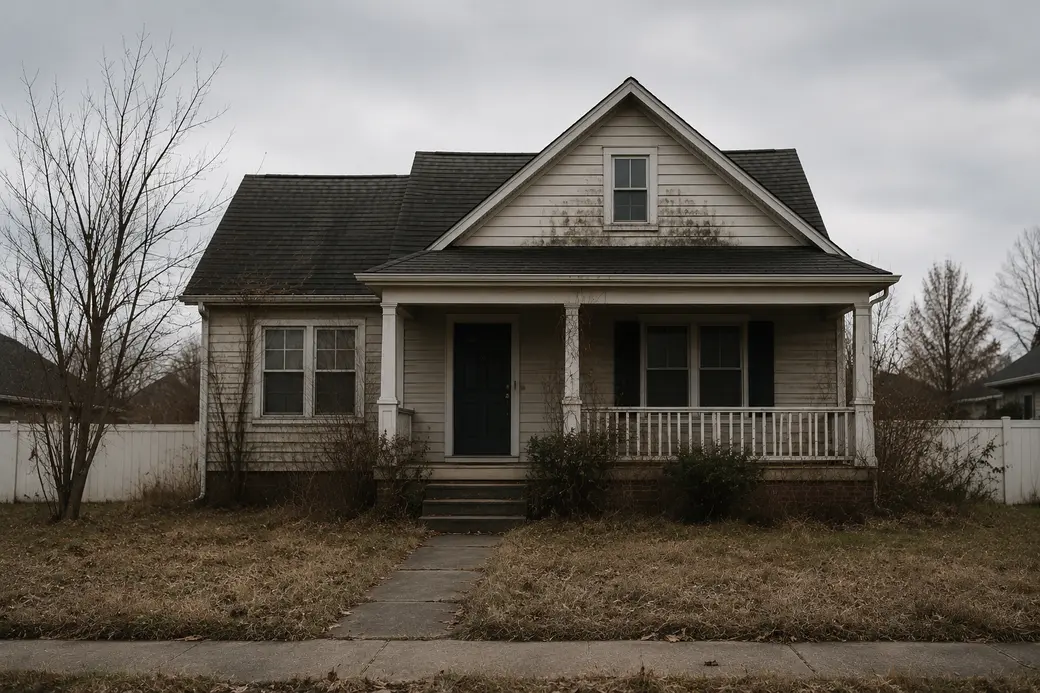
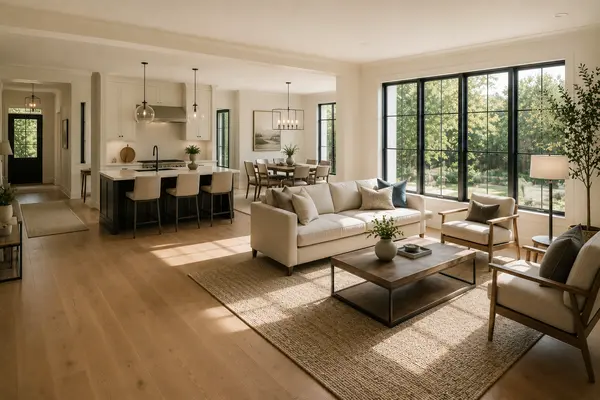
There's a particular kind of silence in a vacant home.
It's not the silence of a house where the owners stepped out for the afternoon. It's heavier than that. Staler. The kind of silence that accumulates over weeks and months, layer by layer, until the air itself feels different when you walk in.
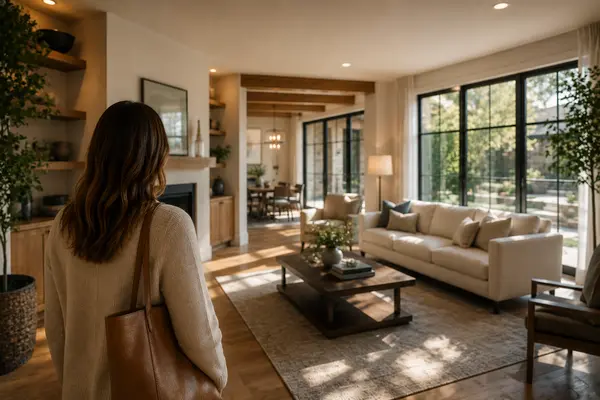
Most buyers notice it without knowing what they're noticing. They chalk it up to the absence of furniture, or the strange lighting, or the echo that empty rooms create. They move through the space quickly, trying to imagine it full of life again, and they move on.
But that silence is telling you something. And it's worth listening to.
A house is not a static object. It's a system of air, moisture, temperature, pressure, and materials that are constantly responding to their environment. When people live in a home, their daily rhythms regulate that system without anyone thinking about it.
Running water keeps pipes from sitting stagnant. Opening and closing doors moves air through the house. Cooking, showering, breathing, all of it adds and removes moisture in ways that keep the home's internal environment in a kind of balance. Even the heat from bodies and appliances plays a role in keeping walls dry and materials stable.
When a house empties out, that regulation stops.
And the house begins to change.
What actually happens, room by room:
The plumbing. Water that sits still in pipes for weeks can develop bacterial growth. The P-traps under sinks and in bathrooms, the curved sections of pipe designed to hold a small amount of water and block sewer gases from entering the home, slowly dry out when drains aren't used. When they do, the gases they were blocking come through. That distinctive smell in a vacant home that people describe as "musty" or "old"? Often, it's not the house itself. It's the plumbing.
The humidity. Without ventilation, moisture levels inside a home can swing dramatically. In humid climates, a sealed vacant house traps humidity and has no mechanism to release it. Over time, this creates conditions where mold begins to grow, not always visibly, and not always dramatically, but steadily. It tends to start in closets, behind walls, under sinks, and in attic spaces where air circulation is lowest.
In dry climates, the opposite problem can occur. Wood floors, door frames, and cabinetry can lose moisture and begin to crack or warp. Seals around windows and fixtures shrink slightly. These are small changes, but they compound.
The pests. A lived-in home is constantly disrupted, doors opening, people moving through, vibrations, smells, activity. Pests tend to avoid this. A vacant home offers something different: stillness, warmth or shelter depending on the season, and no disturbances. Rodents are opportunistic. Insects are patient. A house that has been empty for six months has had six months of undisturbed invitation.
The roof and exterior. Small leaks that would have been noticed immediately in an occupied home, a water stain appearing on the ceiling, or a draft near a window can go undetected for months in a vacant property. What would have been a minor repair becomes a larger one simply because nobody was there to catch it early.
What to do when you're touring a vacant home:
First, ask how long it's been vacant. A house that's been empty for three weeks is a very different situation from one that's been sitting for eight months. The timeline changes everything about what to look for and how carefully to look.
Run every faucet. Not just to check water pressure, but to flush out what's been sitting in the pipes. Notice the smell when you first open a drain. Notice how long it takes for the water to run clear.
Open every cabinet under every sink. Look at the wall behind the pipes. Look at the floor of the cabinet. You're not just looking for active leaks; you're looking for staining, warping, or discoloration that suggests a leak that stopped on its own, which often means it hasn't actually stopped.
Look at the corners of every room where the wall meets the ceiling. Moisture and mold almost always start at the edges before they spread. A faint shadow or discoloration in the corner of a room that looks otherwise clean is worth a closer look.
Check the window sills. Condensation that has nowhere to go in a sealed home eventually settles on the coldest surfaces. Window sills in vacant homes often show signs of moisture accumulation, paint bubbling, wood softening slightly, and a faint line of discoloration along the bottom edge.
Turn on every light switch. Not because you need the light, but because electrical systems in vacant homes are sometimes the first thing to be tampered with by previous owners removing fixtures, by weather events that cause surges, or simply by the settling and shifting that happens in any structure over time.
Spend a few minutes in the attic if you can access it. Attics in vacant homes tell honest stories. Look at the insulation. Is it uniformly distributed, or does it look like it's been displaced (which can indicate animal activity)? Look at the wood structure; any darkening or staining suggests moisture has found its way in.
The deeper thing to understand:
Vacancy doesn't make a house bad. Many vacant homes are perfectly sound and become wonderful places to live.
But vacancy removes the early warning system that human habitation provides. The problems that exist in a vacant home have often had more time to develop quietly, without anyone noticing, without anyone responding.
This doesn't change what a home is worth to you. It just changes how carefully you need to look, and how specifically. A thorough inspection by a qualified professional is always important, but it's especially important with a vacant property.
The house has been waiting. The least you can do is arrive ready to really see it.
Categories
Recent Posts